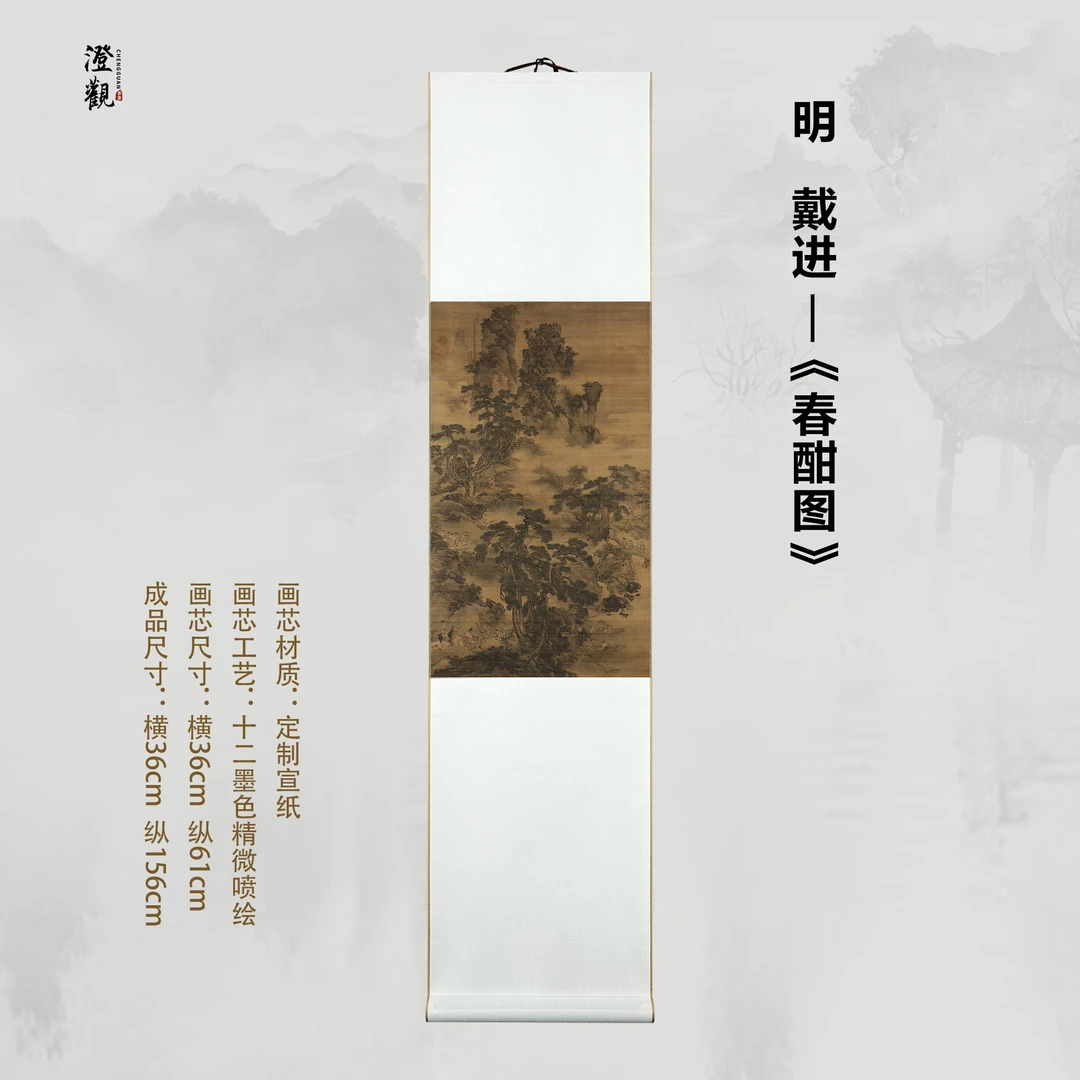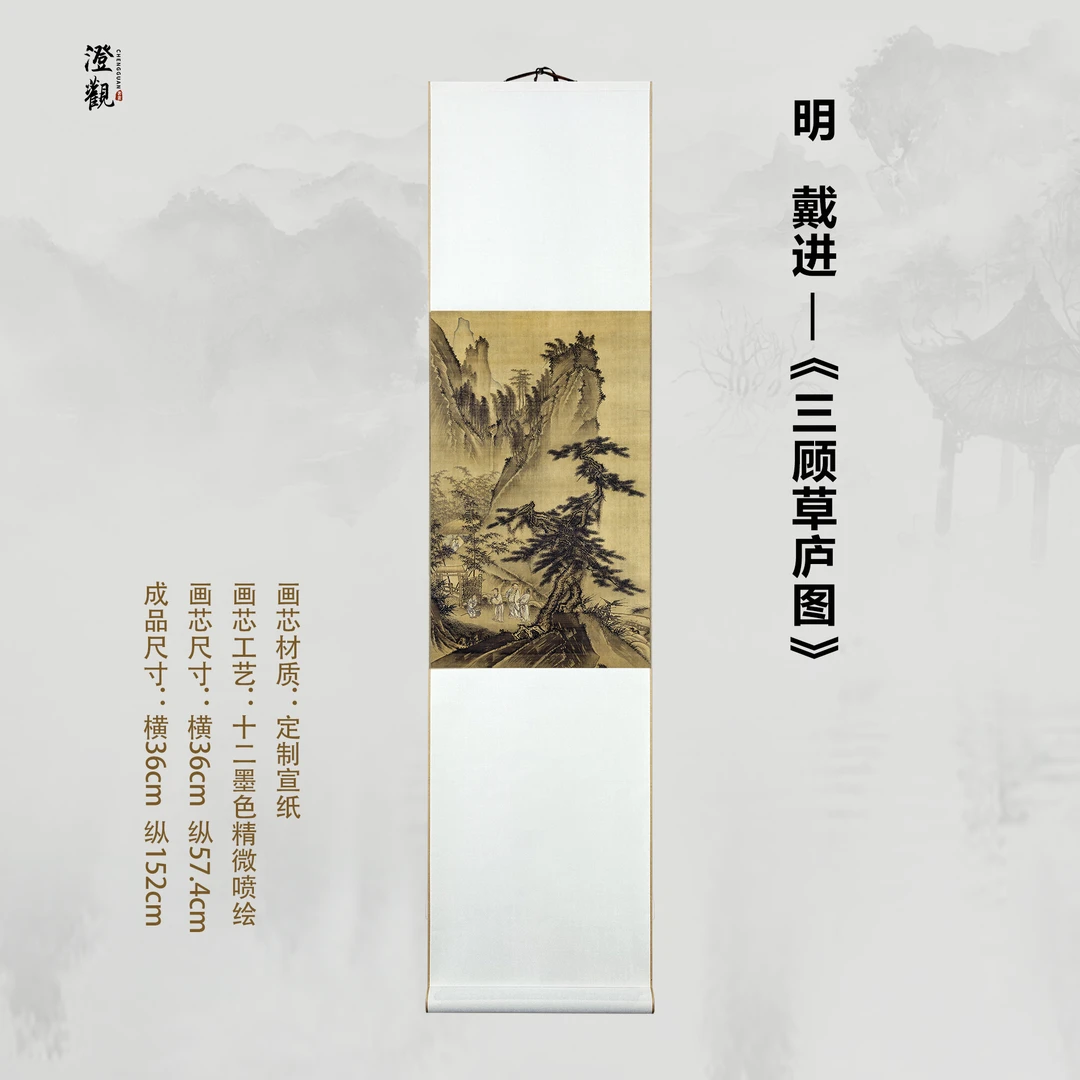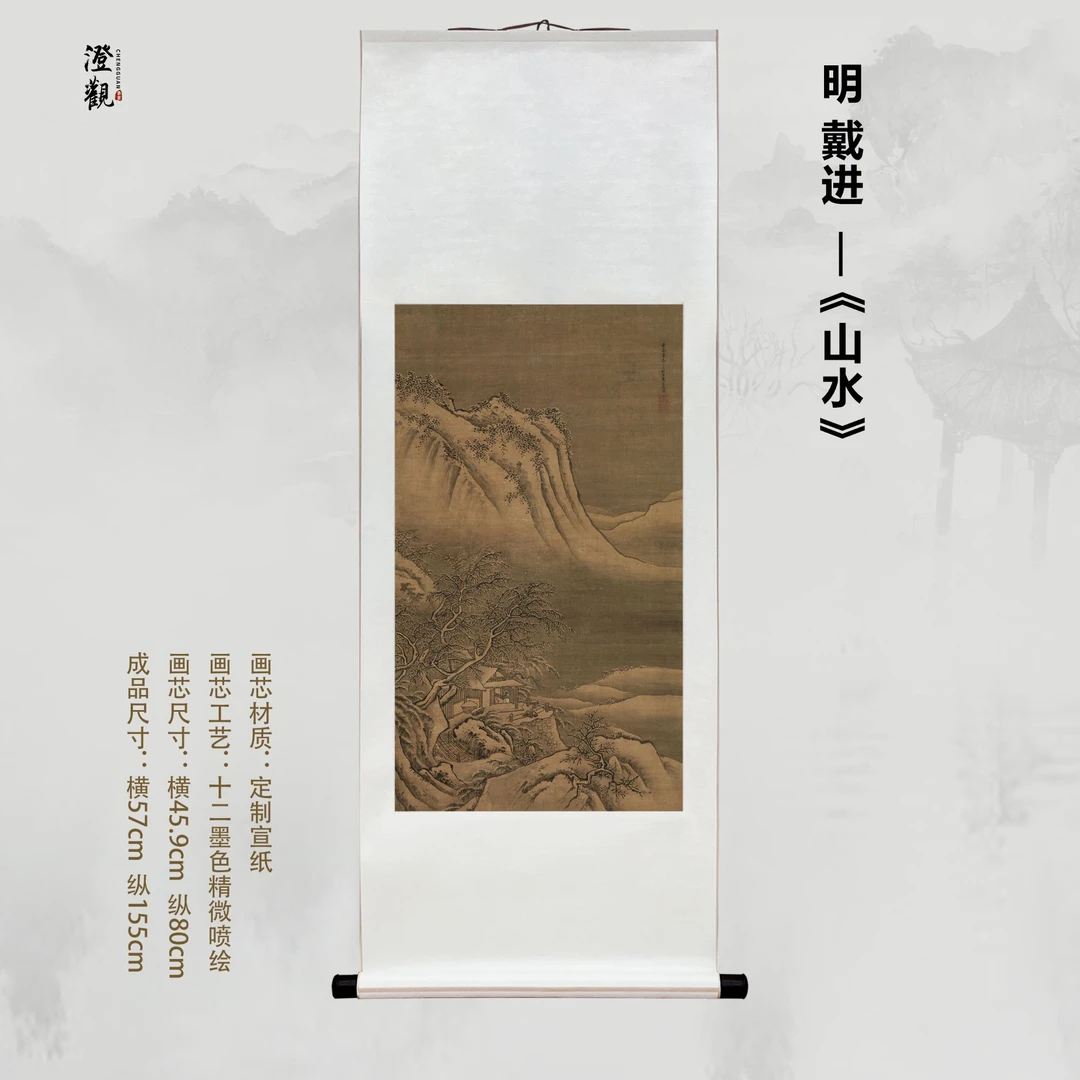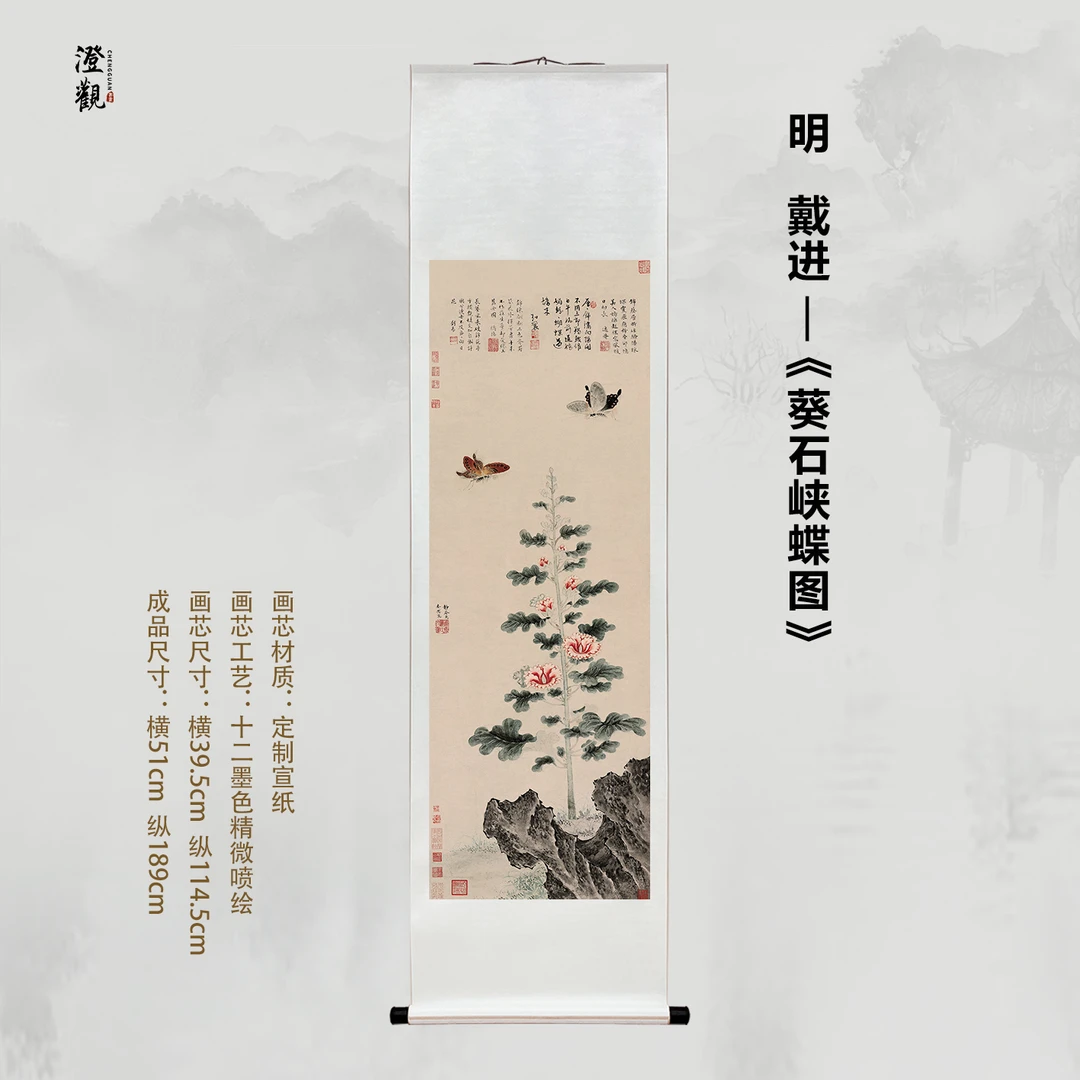
Dai Jin (戴进): Founder of the Zhe School and Master of Ming Professional Painting
Dai Jin (1388–1462), courtesy name Wenjin (文进) and pseudonyms Jing-an (静庵) and Yushan Ren (玉山人), was the preeminent professional painter of the early Ming Dynasty. A native of Qiantang (modern-day Hangzhou), he is historically recognized as the founder of the Zhe School (浙派), named after his home province of Zhejiang. His work represented a powerful revival and transformation of the academic traditions of the Southern Song Dynasty.
1. The Rise and Fall of a Court Painter
Dai Jin’s career was marked by dramatic professional highs and lows. During the Xuande reign, he traveled to the capital, Beijing, seeking imperial patronage. Although his technical skill was unmatched, he became a victim of court intrigue and professional jealousy. Legend has it that the court painter Xie Huan slandered him before the Emperor, claiming a painting of a fisherman in a red robe (a color reserved for high officials) was an affront to the state. Consequently, Dai Jin was forced to flee the capital and spent the rest of his life as a professional painter in Hangzhou, often living in poverty despite his immense talent.
2. Founder of the Zhe School (Zhepai)
As the leader of the Zhe School, Dai Jin championed a style that stood in contrast to the later, more amateur-focused Wu School of Suzhou. The Zhe School emphasized technical virtuosity, professional craftsmanship, and a connection to the Imperial Academy styles. Dai Jin’s influence was so profound that most professional painters of the mid-Ming period were considered his followers, maintaining the robust and vigorous aesthetic he established.
3. Stylistic Roots: The Ma-Xia Tradition
Dai Jin is best known for reviving the Ma-Xia style (named after Ma Yuan and Xia Gui) of the Southern Song. However, he added a Ming-era dynamism and spontaneity to these classical forms. His stylistic hallmarks include:
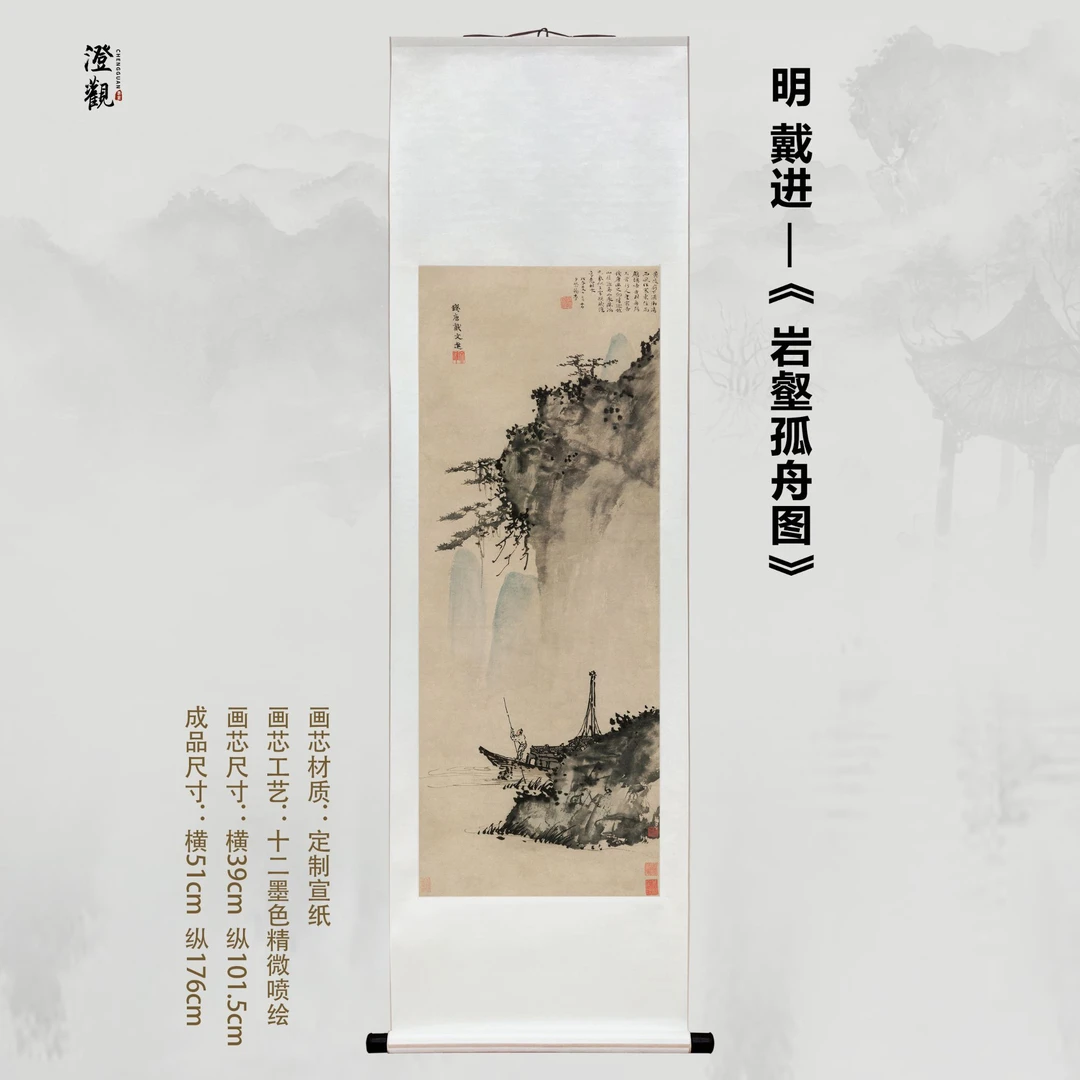
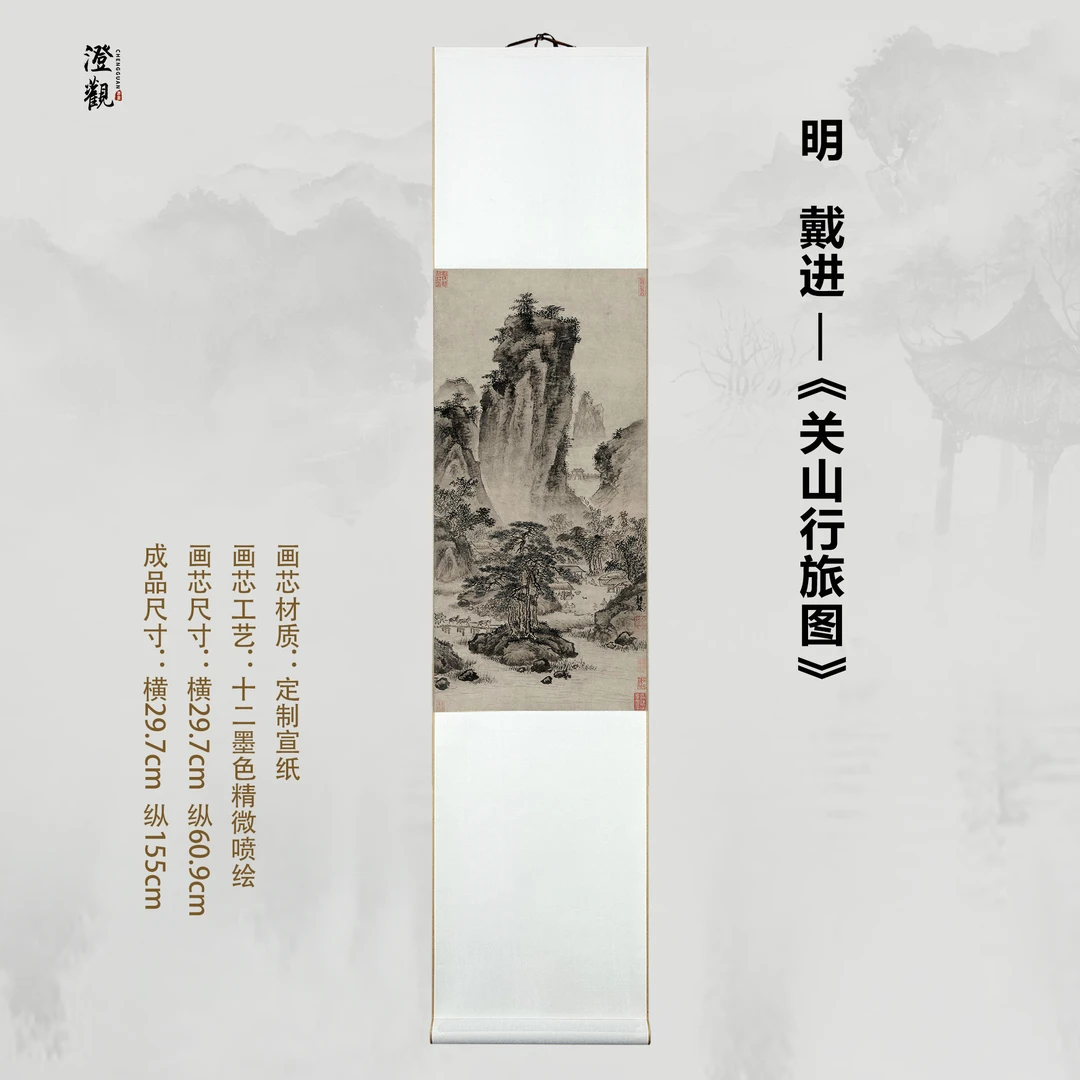
- Axe-cut Strokes (Fupi Cun): He used bold, sweeping, triangular brushstrokes to depict jagged rocks and precipitous cliffs, giving his landscapes a crystalline, hard-edged quality.
- Dramatic Ink Washes: He mastered the use of moist, saturated ink to create atmospheric effects such as driving rain, swirling mist, and crashing waves.
- Diagonal Compositions: Following the "one-corner" tradition, his works often featured a heavy foreground on one side, leading the viewer's eye into a vast, misty distance.
4. Versatility in Themes: Landscapes and Figures
While his landscapes are his most famous contribution, Dai Jin was a versatile master. He excelled in:
- Figure Painting: He often depicted hermits, fishermen, and scholars with rhythmic, "nail-head rat-tail" lines, imbuing them with a sense of movement and character.
- Religious Subjects: He painted Buddhist and Taoist deities with the meticulous detail required of a professional master.
- Genre Scenes: His works often captured the common folk engaged in daily labor, such as his famous "Returning Late from a Spring Outing" (Chunyou Wan-gui Tu).
5. Historical Legacy and Impact
Dai Jin’s work served as a bridge between the Song Academy and the bold, expressive professional painting of the Ming and Qing dynasties. While literati critics of later periods sometimes dismissed his style as too "harsh" or "professional," his creative energy and technical brilliance were undeniable. Today, his masterpieces are preserved in the Palace Museum in Beijing and the National Palace Museum in Taipei, standing as pillars of the Zhe School's enduring legacy in Chinese art history.