Yuan Ceramics and the Influence of the Southern Song Dynasty
|
Although the Yuan Dynasty conquered the Southern Song, the artistic traditions and ceramic techniques of the Southern Song had a lingering influence on the production of Yuan ceramics, and some Song styles, forms and techniques were adapted and incorporated into Yuan period pottery production. 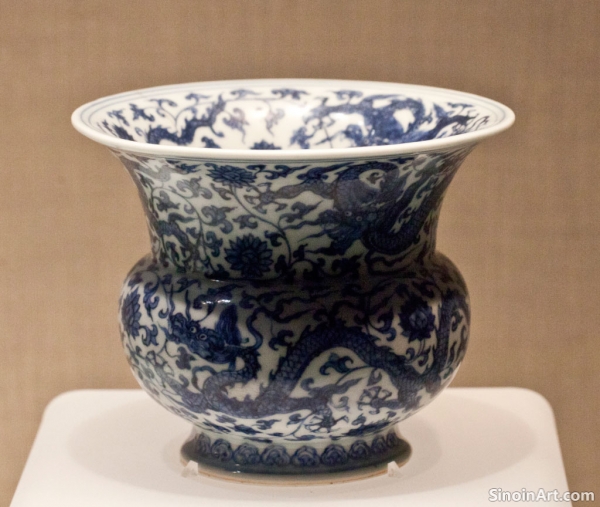 Yuan potters drew inspiration from Southern Song ceramics, particularly in the refined forms of celadon wares and the elegant designs of monochrome porcelain, and the influence of Song artistry is clear in many of the pieces produced during the Yuan. 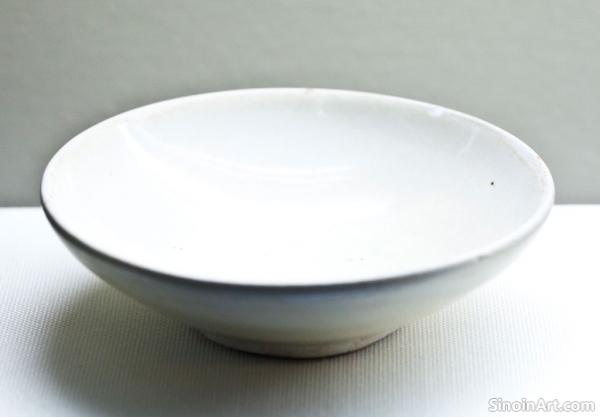 The techniques for producing celadon, white ware, and other types of ceramics, developed during the Southern Song, continued to be used and adapted during the Yuan, which demonstrated that the techniques and aesthetics developed during the Southern Song still remained culturally relevant after the conquest of the dynasty. 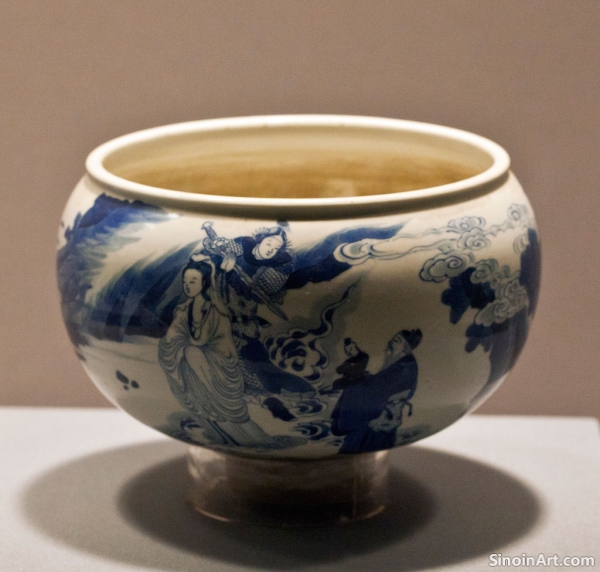 The legacy of the Southern Song can be seen in the continuity of certain ceramic forms and decorative motifs, even amidst the new styles that emerged during the Yuan Dynasty, and these pieces demonstrate that artistic traditions often continue to develop over a period of time, and are often influenced by previous iterations of similar styles and forms. The influence of the Southern Song Dynasty on Yuan ceramics highlights the ways in which artistic traditions evolve and adapt over time. |
Tag : Yuan Southern Song, Chinese ceramic history, ancient influence, pottery techniques, dynastic transition
Related information
- Understanding the Motifs and Symbolism in Yuan Dynasty Porcelain Decoration
- The Impact of Yuan Dynasty Ceramics on Later Periods
- The Symbolic Use of Animals on Yuan Dynasty Porcelain
- The Scientific Analysis of Yuan Dynasty Porcelain: New Insights into Materials and Techniques
- The Materials Used in the Creation of Yuan Dynasty Porcelain
This article explores the symbolism and cultural meanings behind the decorative motifs found on Yuan Dynasty porcelain, such as floral, animal, geometric, and figural designs, offering a deeper understanding of the era's culture.
Yuan Dynasty ceramics profoundly impacted later periods, particularly through the innovation and standardization of blue and white porcelain, the mastery of cobalt underglaze techniques, and the transmission of key decorative motifs.
This article explores the symbolic use of animals in the decoration of Yuan Dynasty porcelain, focusing on the meanings of dragons, phoenixes, and other creatures, providing insights into the cultural beliefs of the era.
This article explores the use of scientific analysis in studying Yuan Dynasty porcelain, highlighting how techniques like X-ray fluorescence, neutron activation, and microscopy provide new insights into the materials, production techniques, and provenance of these important historical objects.
This article details the materials used in creating Yuan Dynasty porcelain, including kaolin clay, feldspar-based glazes, and imported cobalt, explaining how each contributed to the unique characteristics of the final pieces.