The Four Great Masters of Regular Script
|
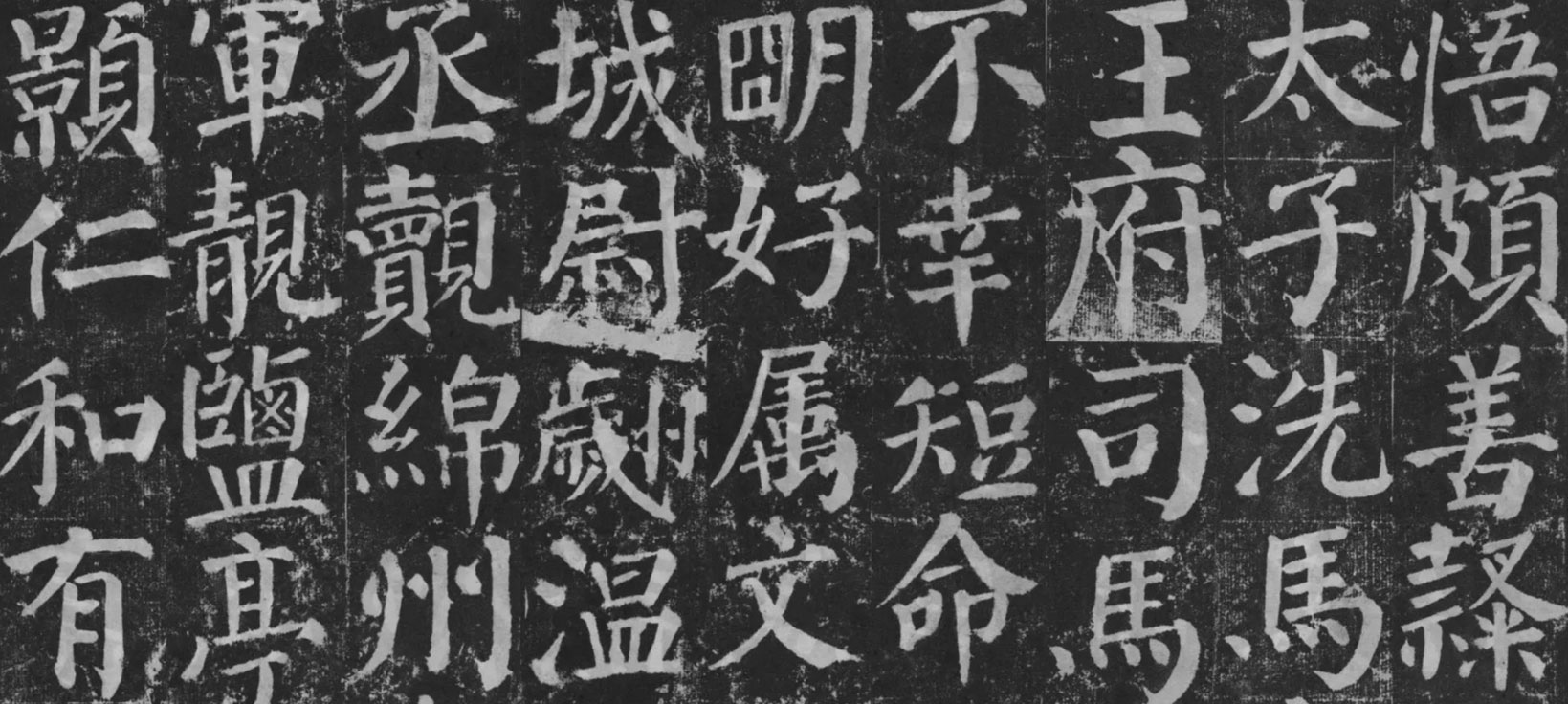
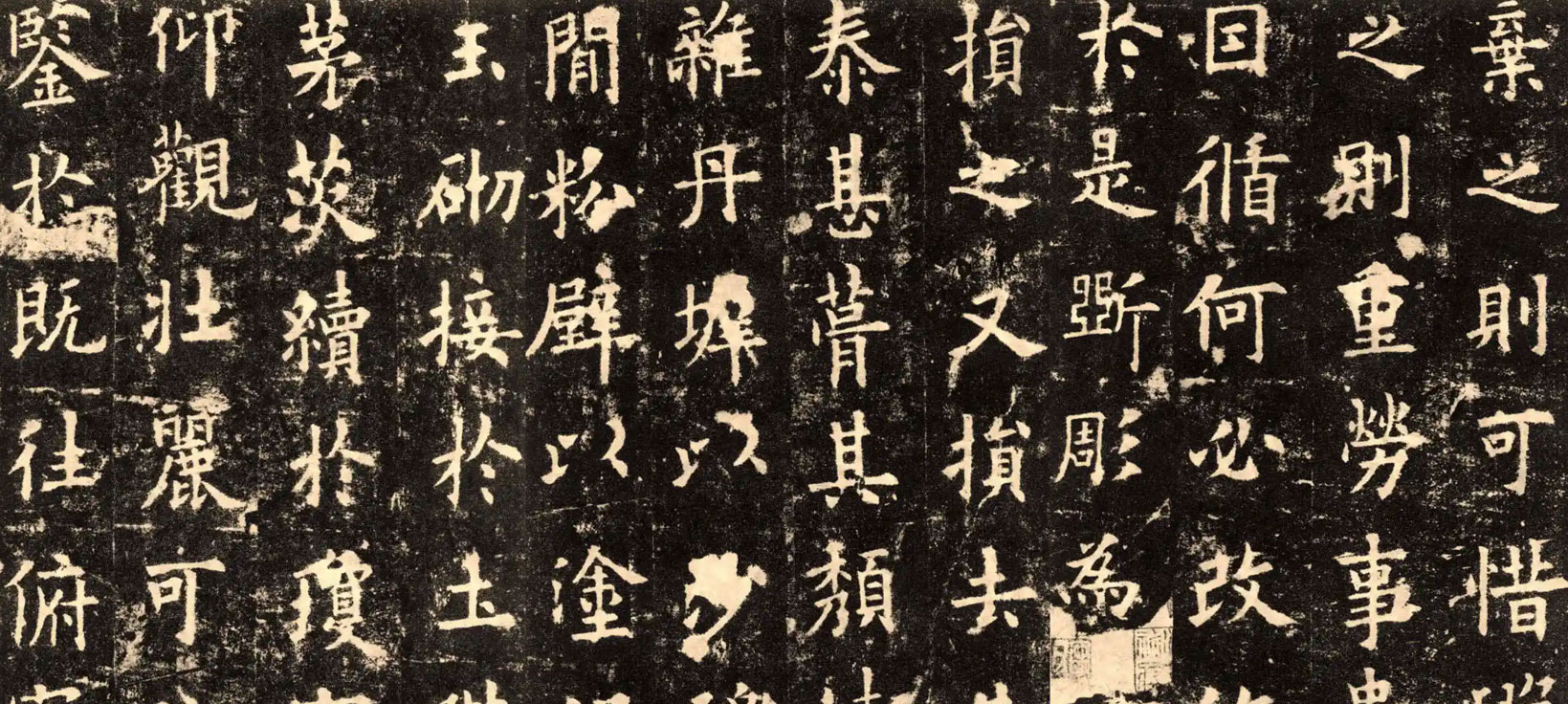
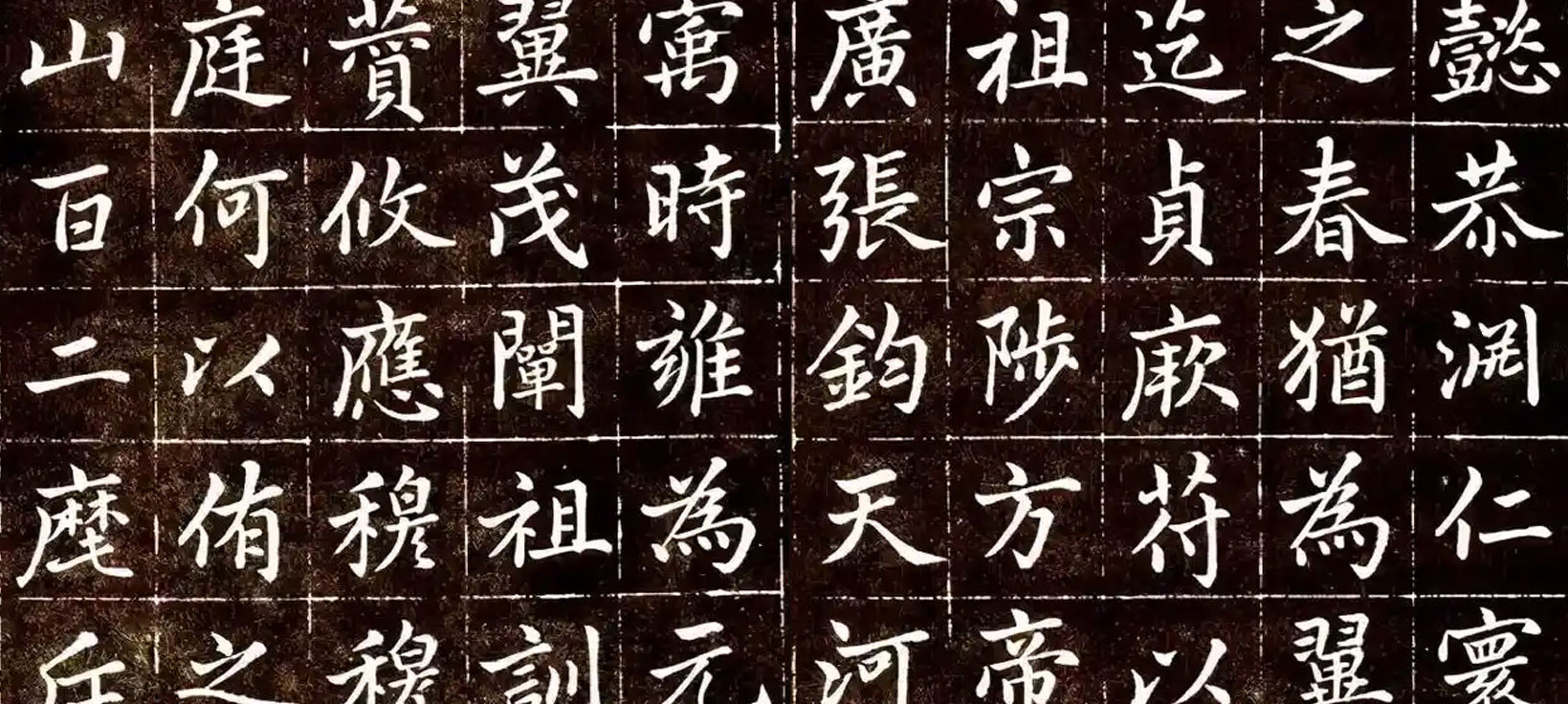
The "Four Great Masters" are a group of highly celebrated calligraphers, primarily from the Tang Dynasty, who are recognized for their exceptional contributions to Regular Script calligraphy. They are: Yan Zhenqing (顏真卿): (709-784) Style: Known for his bold, powerful, and dignified style. His kaishu is characterized by its robust strokes, square-like structure, and a sense of righteous strength. Key Features: His brushstrokes are thick and strong, demonstrating a sense of gravity and monumentality. He emphasized the horizontal strokes, making them stand out prominently. His style is often described as zhuangyan (庄嚴), meaning solemn and majestic. Significance: Yan Zhenqing's calligraphy embodies moral integrity and upright character. His style was developed in the face of adversity and his calligraphy is seen as an extension of his unwavering spirit. He is highly admired for both his artistic prowess and his personal integrity. Famous Work Examples: Yan Qinli Stele (顏勤禮碑), Magu Mountain Stele (麻姑山仙壇記). Liu Gongquan (柳公權): (778-865) Style: Characterized by its tightly constructed, refined, and upright characters. His strokes are described as "steel bones and iron sinews," showcasing a sense of strength and precision. Key Features: His kaishu has a strong vertical emphasis, with characters appearing slender and graceful, yet firm and disciplined. His style is more refined and controlled than Yan Zhenqing's, showcasing a precise and structured approach. Significance: Liu Gongquan is known for his meticulous brushwork and balanced composition. He stressed the importance of a strong foundation and discipline in learning calligraphy. His style is often seen as embodying strict rules and refined elegance. Famous Work Examples: Mysterious Pagoda Stele (玄秘塔碑), Divine Strategy Tablet (神策軍碑). Ouyang Xun (歐陽詢): (557-641) Style: Known for his meticulously structured, refined, and rigorous kaishu. His style is precise, balanced, and elegant, often seen as a benchmark for technical perfection in Regular Script. Key Features: His characters are known for their rigorous structure, sharp corners, and a sense of both strength and refined elegance. His meticulous approach focused on precise execution of each stroke, creating a sense of order and perfection. Significance: Ouyang Xun’s work is considered a model of formal kaishu, and his style was widely adopted by calligraphers and used in official documents. His work served as a template for later calligraphers learning the style. Famous Work Examples: Jiucheng Palace Stele (九成宮醴泉銘), Yuan Jian Stele (化度寺碑). Zhao Mengfu (趙孟頫): (1254-1322) Style: Zhao Mengfu, unlike the others who are from the Tang Dynasty, was a Yuan Dynasty calligrapher. His kaishu is elegant, refined, and graceful. He achieved a balanced style that is both powerful and fluid. Key Features: His strokes are smooth and flowing, with a sense of rhythm and delicacy. He emphasized the curves and fluidity of the characters, deviating somewhat from the rigid structure of earlier kaishu. Significance: Zhao Mengfu was an influential calligrapher and painter during the Yuan Dynasty. His work was seen as a response to the strictures of earlier styles, creating a more fluid and graceful aesthetic. He brought his painting experience into his calligraphy, resulting in unique style. Famous Work Examples: Pledge to Guan Yin Sutra (觀音經卷), Thousand Character Classic (千字文). Why are they so Important? Setting Standards: These four masters established the highest standards for Regular Script, with their works serving as models for centuries of calligraphers. Influential Legacy: Their individual styles and approaches have deeply influenced the development of kaishu and calligraphy as a whole. Embodiment of Ideals: Each master's work reflects different aspects of Chinese aesthetics and philosophy, from moral integrity (Yan Zhenqing) to strict discipline (Liu Gongquan) and elegant refinement (Zhao Mengfu, Ouyang Xun). Objects of Study: Their calligraphy remains an object of study and admiration for aspiring calligraphers, providing a rich source of inspiration and technical understanding. |

Tag : Yan Zhenqing,Liu Gongquan,Ouyang Xun,Zhao Mengfu,Chinese calligraphy,Regular Script
Related information
- Tang Kaishu and the Concept of Bone Structure in Calligraphy
- The Jin Dynasty Manuscript Legacy: A Glimpse into Early Kaishu Practices
- The Legacy of Tang Kaishu in Modern Chinese Calligraphy
- Examining the Role of Space (Bai) in Tang Kaishu Composition
- Kaishu and Zen: The Mindfulness of Calligraphy Practice
This article explores the concept of "bone structure" (gufa) in Tang Kaishu, highlighting its importance as the underlying support and strength of the strokes, contributing to the solidity and balance of the characters, and the need for well-defined strokes.
This article explores the Jin Dynasty’s rich manuscript legacy, detailing how these texts provide valuable insight into early Kaishu practices, revealing the transition from flowing scripts to structured forms, and highlighting the variety of brush techniques used in everyday writing.
This article examines the enduring legacy of Tang Kaishu in modern Chinese calligraphy, highlighting how the works of Tang masters continue to inspire contemporary artists, who both honor tradition and explore new creative interpretations of this timeless art form.
This article examines the role of space (bai) in Tang Kaishu composition, highlighting the calligraphers’ meticulous management of both positive and negative space within and around characters and lines, and its essential contribution to balance and harmony.
Explore the connection between Regular Script (Kaishu) and Zen mindfulness. Learn how the practice of calligraphy can cultivate focus, presence, and inner peace.