Monochrome Glazes During the Yuan Dynasty
|
While blue and white porcelain may dominate the narrative of Yuan ceramics, monochrome glazes also played a significant role in the artistic landscape of the era. These single-color glazes showcase the technical mastery of the potters and the range of their artistic expression. Monochrome glazes are a vital but often overlooked component of Yuan ceramics. 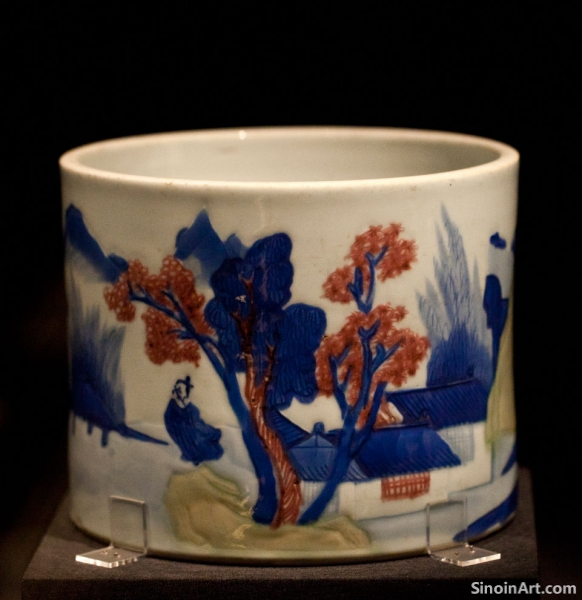 Celadon glazes, particularly those produced at the Longquan kilns, continued to be highly prized during the Yuan Dynasty. These jade-like green glazes were valued for their smooth texture and subtle variations in tone. Longquan Celadon continued to be very popular and was widely exported. 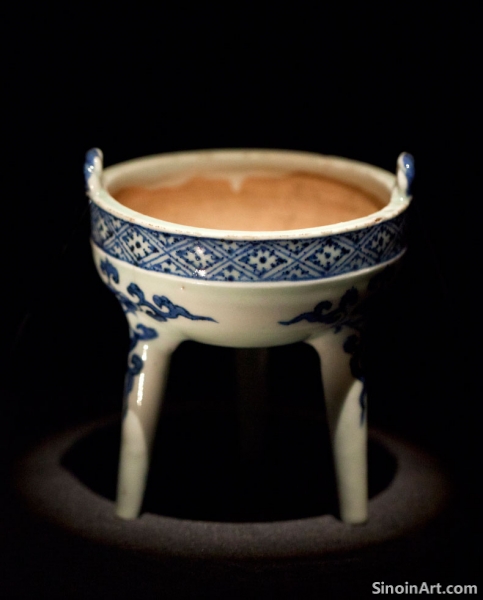 White glazes, often with a subtle bluish tint, were also commonly used during the Yuan period. These pieces often featured simple, elegant forms and were valued for their purity and understated beauty. The simplicity of white glaze demonstrates the beauty of the material itself. 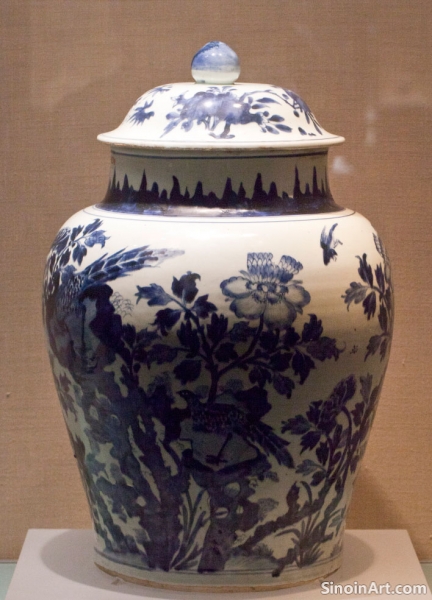 Black glazes, often achieved through the use of iron oxide, were also employed on a range of ceramic vessels. These pieces often featured bold, dramatic designs. Black wares offer a striking contrast to the more commonly known blue and white pottery of the era. The range of monochrome glazes produced during the Yuan Dynasty highlights the versatility of Yuan potters and their ability to master a wide variety of techniques. They demonstrate a deep understanding of the chemistry and physics involved in creating these pieces. The monochrome glazes of the Yuan show the versatility of potters of the time. |
Tag : Yuan monochrome glazes, Longquan celadon, White glaze, Black glaze, Chinese ceramics
Related information
- The Cobalt Connection: The Sourcing and Impact of Blue Pigment in Yuan Porcelain
- Future Directions in Yuan Dynasty Porcelain Research: New Discoveries and Interpretations
- Understanding the Rarity and Value of Yuan Dynasty Porcelain
- The Role of Yuan Dynasty Porcelain in Funeral and Burial Practices
- The Kilns of Jingdezhen: The Epicenter of Yuan Dynasty Porcelain Production
This article delves into the importance of cobalt in Yuan porcelain, highlighting its import from Persia, its impact on color, and the technological skill needed to harness its full potential in ceramic production.
This article discusses future directions in Yuan Dynasty porcelain research, including new archaeological discoveries, advances in scientific analysis, and the potential for more detailed cross-cultural studies, promising to further enrich our understanding of the era.
This article explains the rarity and high value of Yuan Dynasty porcelain by highlighting factors such as the short duration of the dynasty, technical difficulties in production, and its significant historical and cultural importance.
This article explores the use of Yuan Dynasty porcelain in funeral and burial practices, examining its significance as grave goods intended to accompany the deceased, providing insights into Yuan beliefs about death, the afterlife, and the symbolic meaning of these ceramics.
This article focuses on Jingdezhen's role as the central porcelain production hub during the Yuan Dynasty. It explores its kiln organization, manufacturing processes, and enduring influence on ceramics.