
Zhou Wenju (周文矩), a preeminent court painter during the Southern Tang dynasty of the Five Dynasties and Ten Kingdoms period, is a pivotal figure in the history of Chinese art. His portrayals of "Shinv" (仕女), or court ladies, are not merely decorative; they are profound explorations of 10th-century aristocratic life and aesthetic transition.
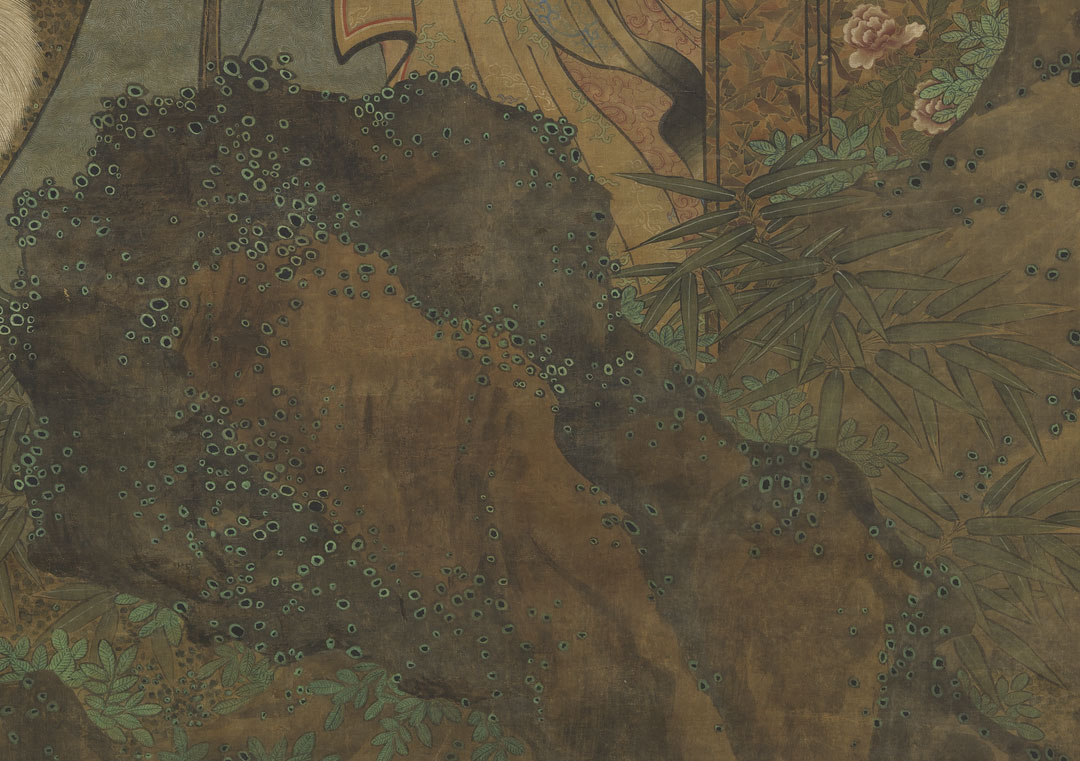
Technically, Zhou Wenju is most famous for his mastery of the "Zhanbi" (战笔), often translated as "tremulous brushstrokes" or "warping lines." Moving away from the smooth, continuous "Iron-Wire" lines of the Tang Dynasty, Zhou used a rhythmic, quivering motion to create jagged yet fluid outlines. This technique was particularly effective in rendering the drapery of silk robes, giving the garments a sense of weight, texture, and a unique kinetic energy that distinguished his work from his predecessors.
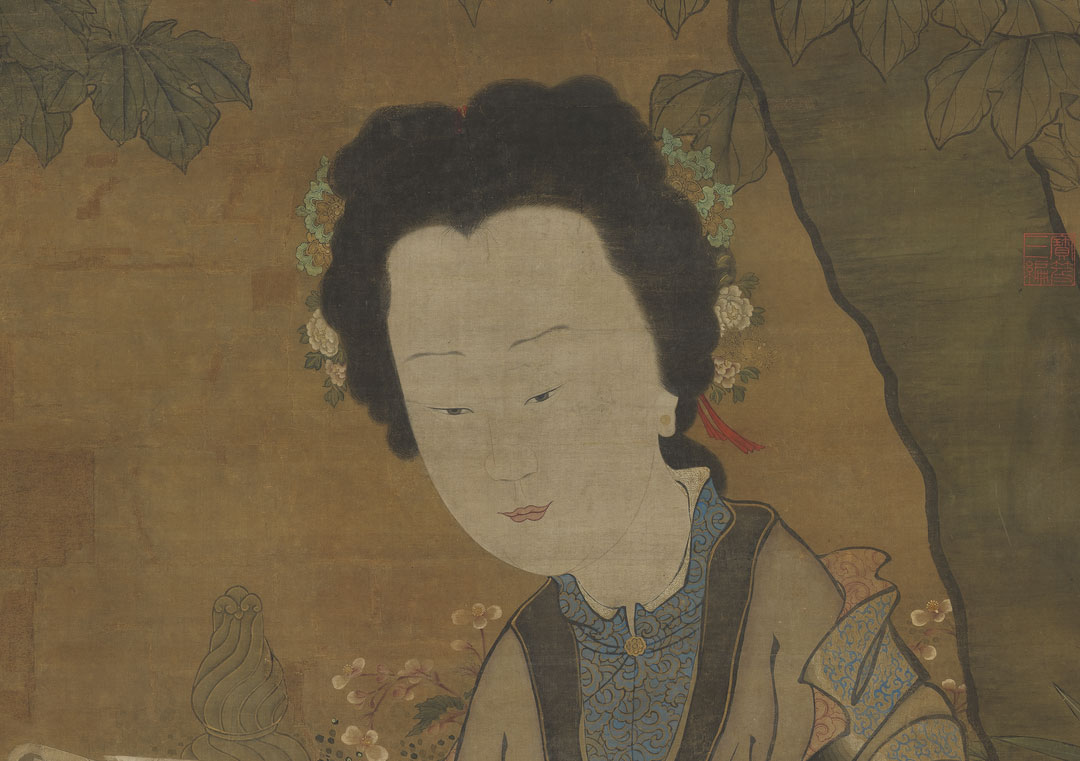
Zhou Wenju’s Court Ladies represents a significant shift in the standard of beauty. While he inherited the tradition of Tang masters like Zhou Fang, he moved away from the "plump and opulent" ideal of the High Tang. Instead, Zhou’s ladies possess slender forms, graceful necks, and delicate proportions. This shift reflects the refined and somewhat fragile aesthetic favored by the Southern Tang court, bridging the gap toward the even more lithe figures seen in later Song Dynasty art.
Unlike earlier portraits that often felt static, Zhou Wenju infused his subjects with psychological realism. His Court Ladies are often depicted in moments of quiet contemplation, melancholy, or subtle social interaction. By focusing on individualized facial expressions and the inner emotional life of his subjects, Zhou captured the "loneliness of the palace," making his work a poignant reflection of the human condition within the imperial walls.
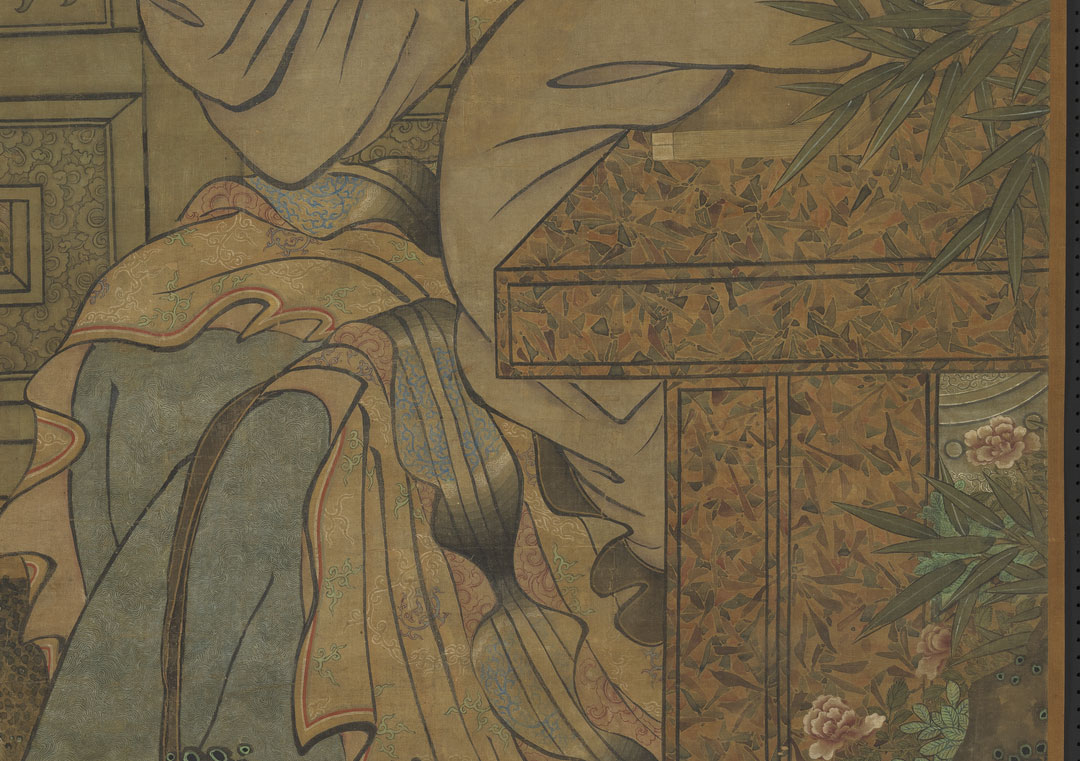
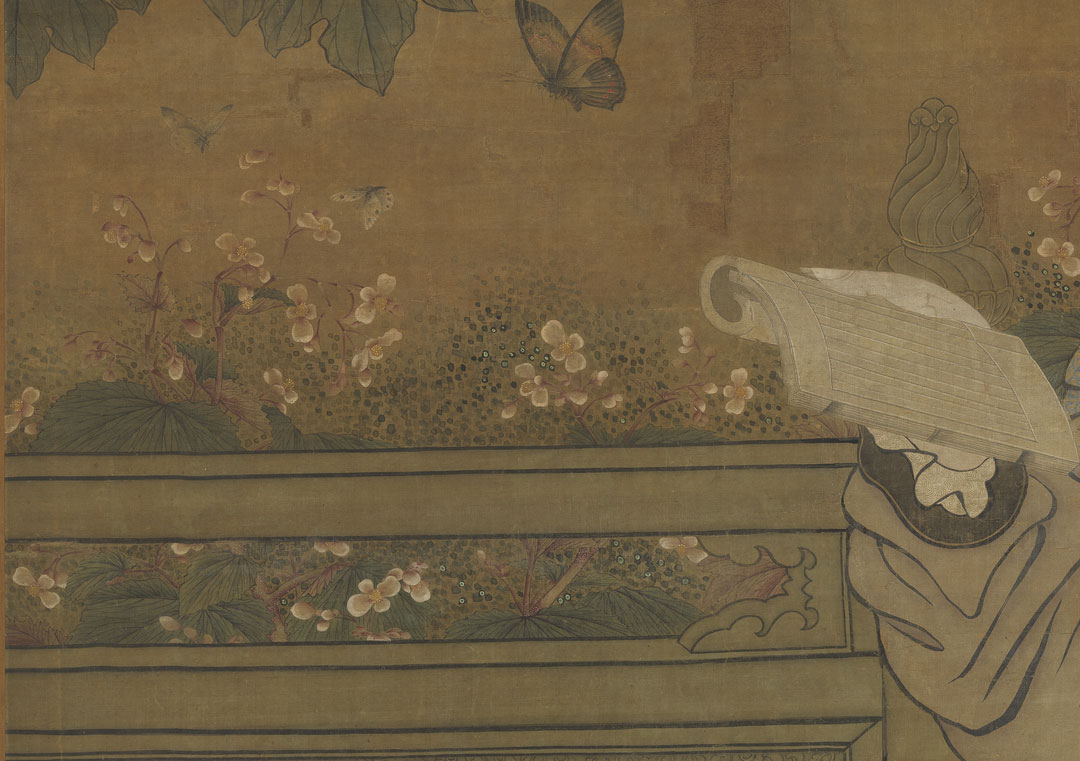
The paintings serve as an invaluable record of 10th-century material culture. Zhou frequently placed his ladies in narrative settings, engaged in activities such as combing hair, playing musical instruments, or tending to children. The inclusion of ornate furniture, detailed bronze mirrors, and scholarly objects provides a window into the refined lifestyle and domestic etiquette of the Southern Tang imperial court.
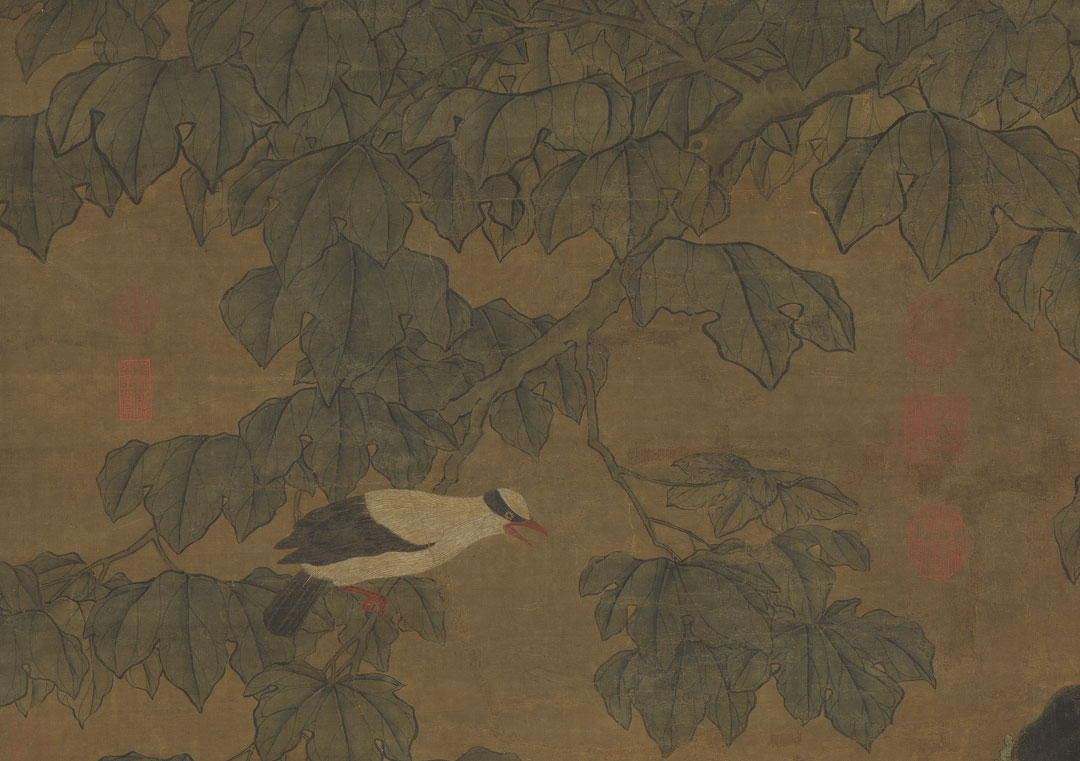
As a Hanlin Academician under the famous poet-emperor Li Yu, Zhou Wenju’s art reflected a culture of high literary and artistic achievement. His influence on the history of Chinese classical painting is immense; his innovative brushwork and sensitive characterizations provided a blueprint for the Song Dynasty Painting Academy and solidified the Shinv genre as a cornerstone of Chinese artistic expression.