
Wang Hui (1632–1717), the preeminent leader of the Orthodox School (Yuejiang School) and one of the celebrated "Four Wangs" of the early Qing Dynasty, created the masterpiece "Lofty Seclusion by the Plum Stream" (Meixi Gao Yin Tu). This work is a quintessential example of the High Qing literati aesthetic, capturing the ideal of intellectual reclusion. Set amidst a landscape of winding waters and rugged cliffs, the painting centers on the blossoming plum trees, a classic theme in Chinese art that symbolizes purity, resilience, and moral integrity in the face of adversity.
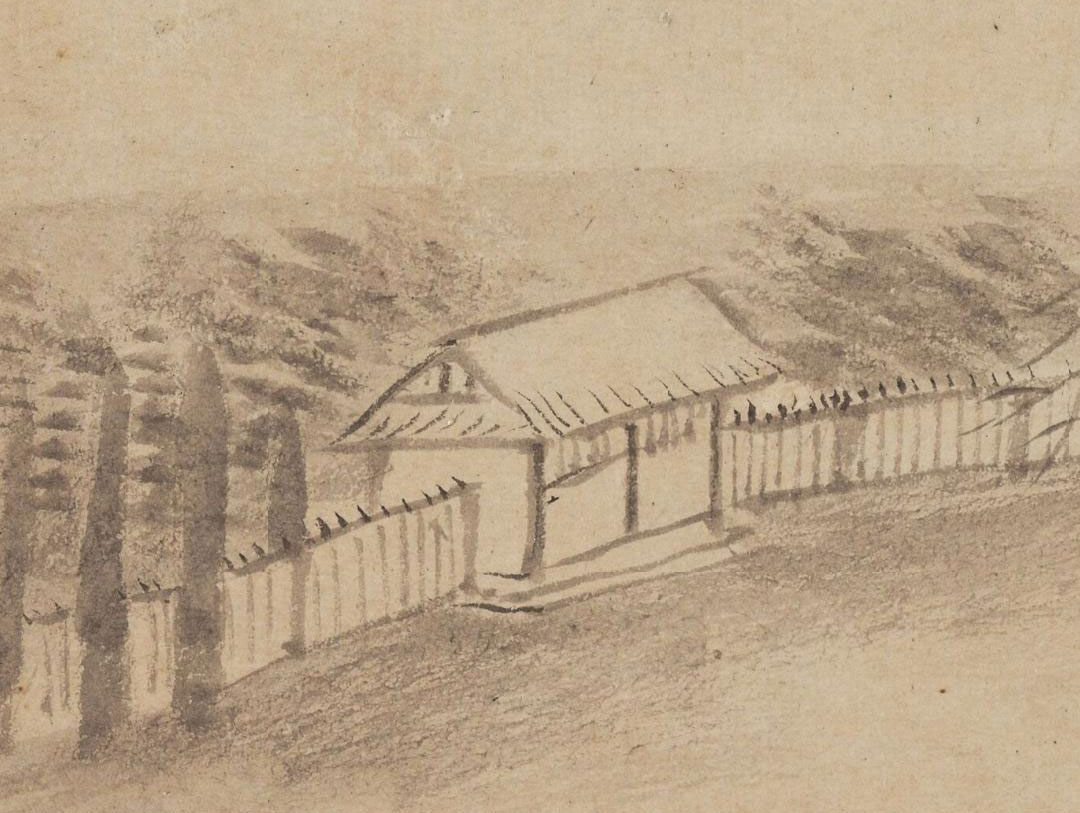
The painting serves as a visual manifestation of Wang Hui’s core artistic philosophy, the "Great Synthesis" (Ji Dacheng). He famously sought to harmonize the monumental composition of the Song Dynasty with the expressive brushwork of the Yuan Dynasty. In "Lofty Seclusion by the Plum Stream," Wang Hui reinterprets the styles of masters like Wang Meng and Zhao Mengfu, blending their complex textures with a refined imperial elegance. This "imitation" (Fang) was regarded as a high-level creative dialogue with the past, establishing a "correct" lineage for landscape painting.
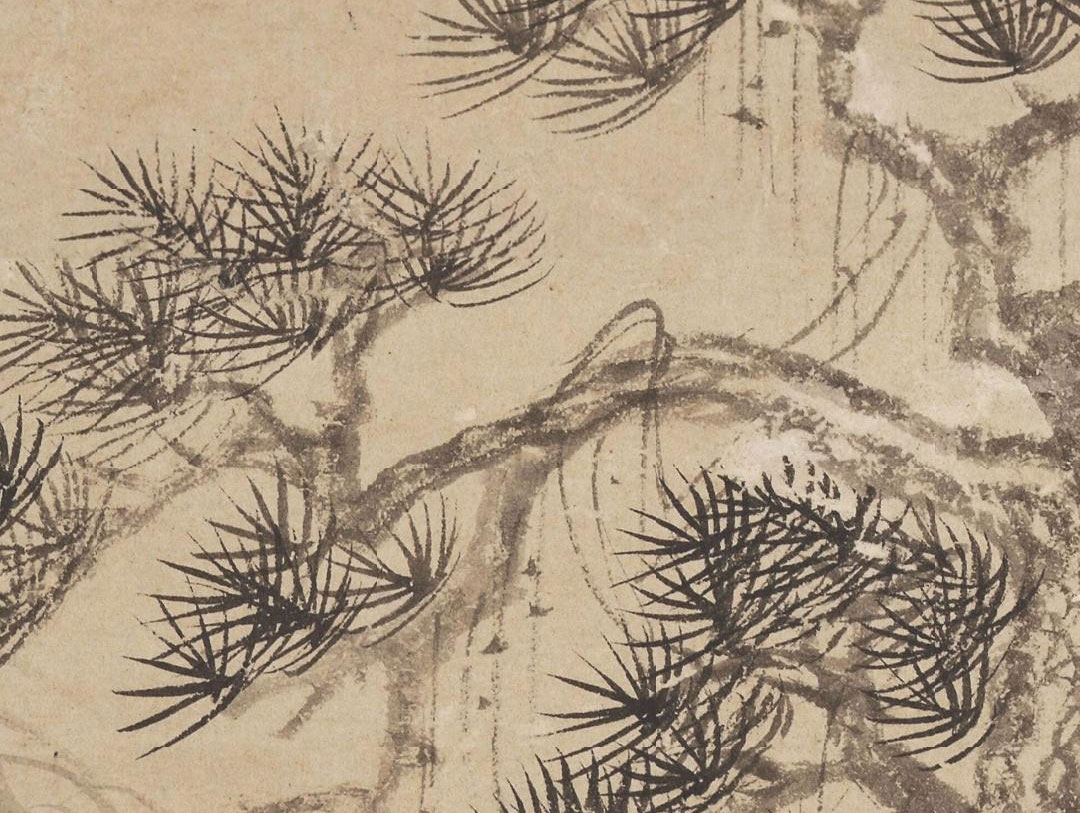
In terms of artistic technique, the work is renowned for its meticulous brushwork and sophisticated use of ink. Wang Hui utilized varied texture strokes (Cun-fa) to delineate the jagged rock formations and the weathered bark of the ancient plum trees. The plum blossoms themselves are often rendered with surgical precision, using delicate white pigments or "outline" techniques to highlight their ethereal beauty against the monochromatic ink of the landscape. His use of layered washes creates a sense of atmospheric depth, capturing the cool, moist air of early spring.
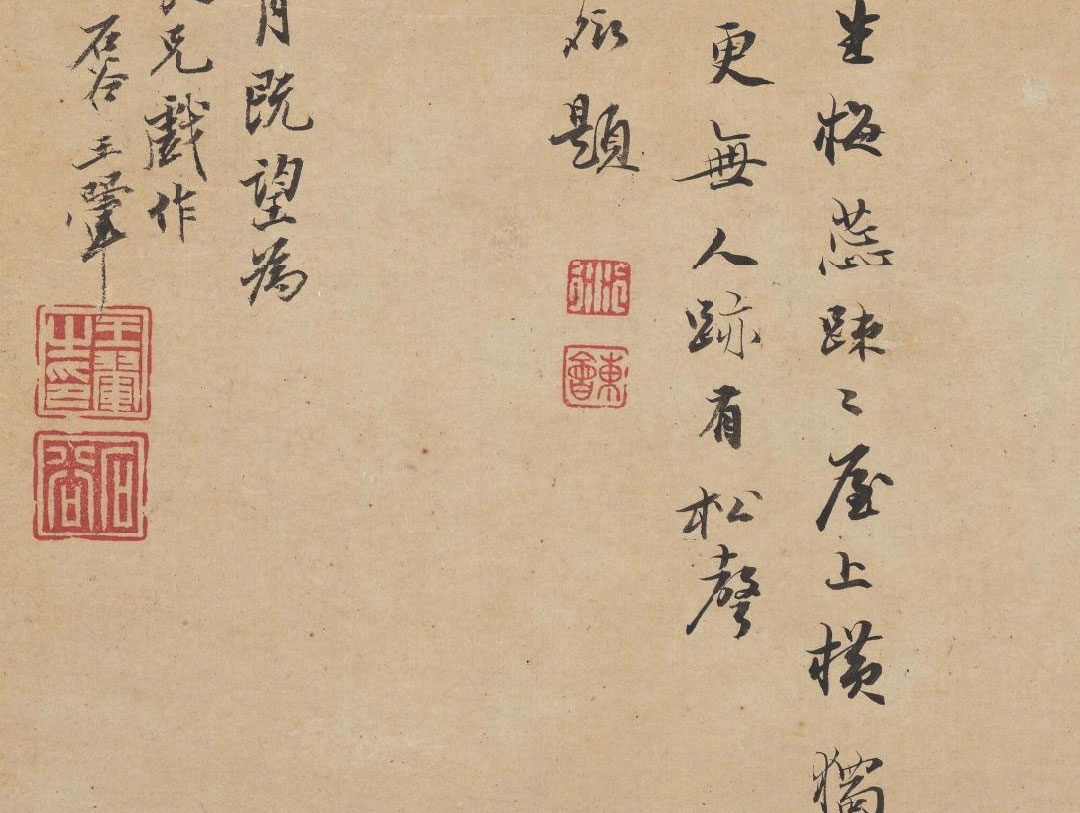
The compositional layout of the hanging scroll follows the traditional principle of "Dragon Veins" (Longmai), which ensures a rhythmic and continuous flow of energy throughout the mountains and stream. The viewer’s eye is guided from the foreground stream, through the flowering plum grove, to a secluded hut where the "lofty hermit" resides in quiet contemplation. The strategic use of Liubai (negative space) for the mist and water creates a sense of infinite spatial depth, emphasizing the spiritual freedom found in isolation from the mundane world.
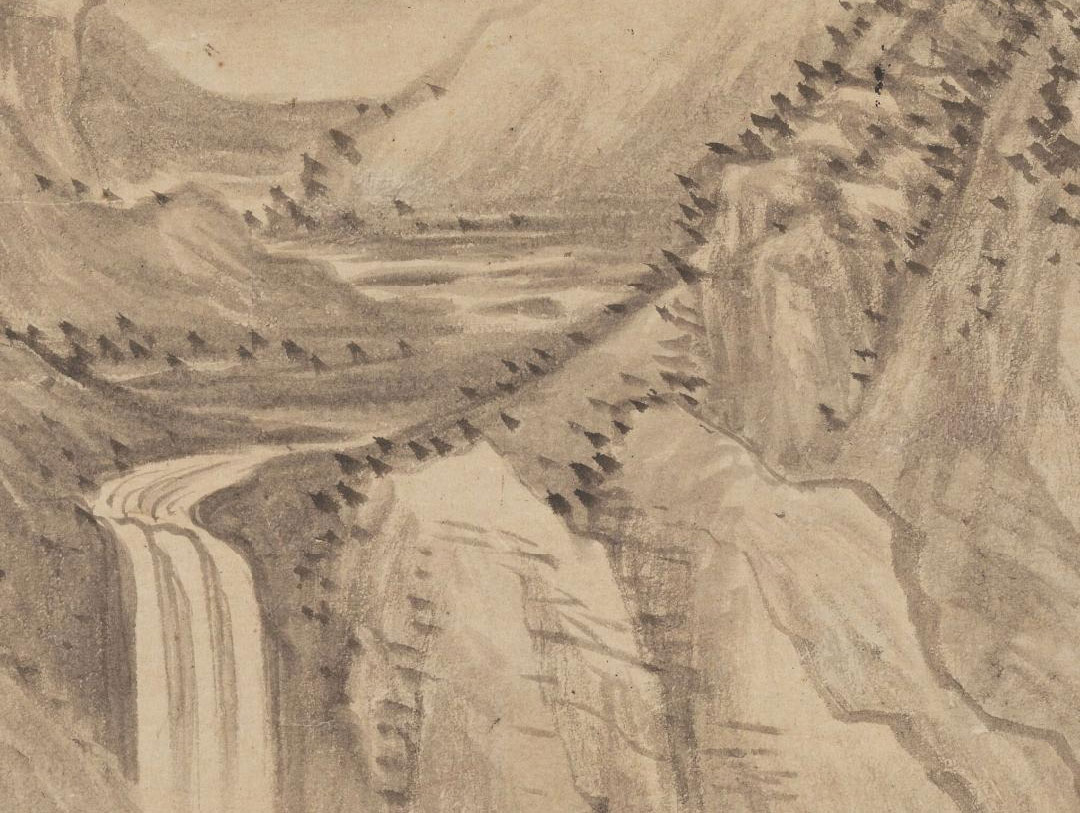
Historically, "Lofty Seclusion by the Plum Stream" reflects the cultural stability and imperial patronage of the Kangxi Emperor's reign. As the favorite painter of the court, Wang Hui’s style became the academic standard for centuries. Today, the painting is recognized as a cultural monument, illustrating the peak of 18th-century literati craftsmanship. It remains a vital resource for studying the Orthodox tradition and the successful preservation of classical values within the vast and globalized context of the Qing Empire.